For a long time, I thought the difficult part was getting an answer.
Sometimes it is.
But sometimes the answer is not the part keeping you still.
You have an idea you cannot quite dismiss. You have prayed about it. You have tested it. You keep returning to the same thing, and yet you are still waiting for the kind of certainty that would remove every possibility of being wrong.
I know that kind of waiting.
Before asking how to act on a calling, I think it helps to be much more precise about what we mean by one.
What do you mean when you say “calling”?
I do not use the word to mean that everyone has one hidden, perfect assignment they must somehow discover before life can begin.
Sometimes what God asks of us is much more ordinary than that.
A conversation.
A decision.
A piece of work.
Something to leave.
Something to begin.
Something we already understand well enough to obey.
So when I use the word calling here, I mean something I believe God may actually be asking me to do.
That immediately gives me a better question than, “What am I meant to do with my whole life?”
I can ask:
What do I believe God is asking of me now?
A strong desire is not enough
I have wanted things badly enough to make them sound spiritual in my own head.
That is one reason I do not trust intensity by itself.
Wanting something does not prove that God called me to it.
Neither does being afraid of it.
Neither does having other people admire the idea.
If I think something may be from God, I want it to survive examination.
Does it agree with Scripture?
Am I having to excuse something I already know is wrong in order to make the idea work?
Would I still believe this mattered if nobody applauded it?
Am I calling something “God’s will” because I want permission, or because I have actually taken the time to test it?
Those questions do not make every decision easy.
They make it harder for me to confuse desire with direction.
Pay attention to what keeps returning
Not every repeated thought is God.
But I have learned not to dismiss something simply because it has been with me for a long time.
Some things return because I am anxious.
Some return because I want them.
And sometimes a question keeps coming back because I have not answered it yet.
When that happens, I look at the pattern rather than one emotional moment.
Has the same conviction survived different moods?
Has it remained when the excitement wore off?
Does it become clearer when I pray and read Scripture, or does it require me to keep talking myself into it?
Have circumstances changed while the underlying direction has remained?
I am more interested in what survives time and testing than in what felt dramatic for one afternoon.
There is a difference between uncertainty and avoidance
This is where I have had to become honest with myself.
Sometimes I really do not know what God is asking.
Waiting can be the right thing to do.
But sometimes I know much more than I admit, and what I call uncertainty is really fear of the consequences of acting.
Those two situations are not the same.
When I am genuinely uncertain, there is still something to discern.
When I am avoiding, I usually find myself asking the same question after I have already received enough of an answer to take a step.
I ask for another confirmation.
Then another.
Then I rename the delay “wisdom.”
I have done that often enough to recognize it now.
How do you know when waiting is still obedience?
I do not think there is a formula.
But I ask myself a few uncomfortable questions.
Am I waiting because something is genuinely unclear?
Or because the next step will cost me something?
Has new information appeared that requires patience?
Or am I simply hoping the answer will change?
Am I still testing the direction?
Or am I repeating the test because I disliked the result?
There are seasons when waiting is obedience.
There are also moments when waiting becomes the only way to avoid finding out what obedience will require.
That is the line I try to identify.
You may not receive certainty before you move
This was difficult for me to accept.
I wanted decisions to become obvious before I made them.
I wanted enough confirmation that action would no longer feel risky.
That is not always what happened.
Sometimes I had enough clarity for the next step and no guarantee about what would follow it.
That is very different from acting recklessly.
I can test what I believe.
I can seek wise counsel.
I can examine my motives.
I can wait when something is genuinely unclear.
But eventually, if the direction remains and the only thing still changing is the number of times I ask the same question, I have to consider the possibility that I am no longer waiting for guidance.
I am waiting to feel safe.
So how do you finally act on God’s calling?
I start smaller than the word calling makes me want to.
I ask what obedience looks like next.
Not five years from now.
Not after every uncertainty has disappeared.
Next.
Sometimes that means making the call.
Sending the message.
Beginning the work.
Stopping something I already know I should stop.
Taking one decision seriously enough that tomorrow looks slightly different from today.
I no longer think courage always arrives before the first step.
Sometimes the step is where courage begins.
When the answer is no longer the problem
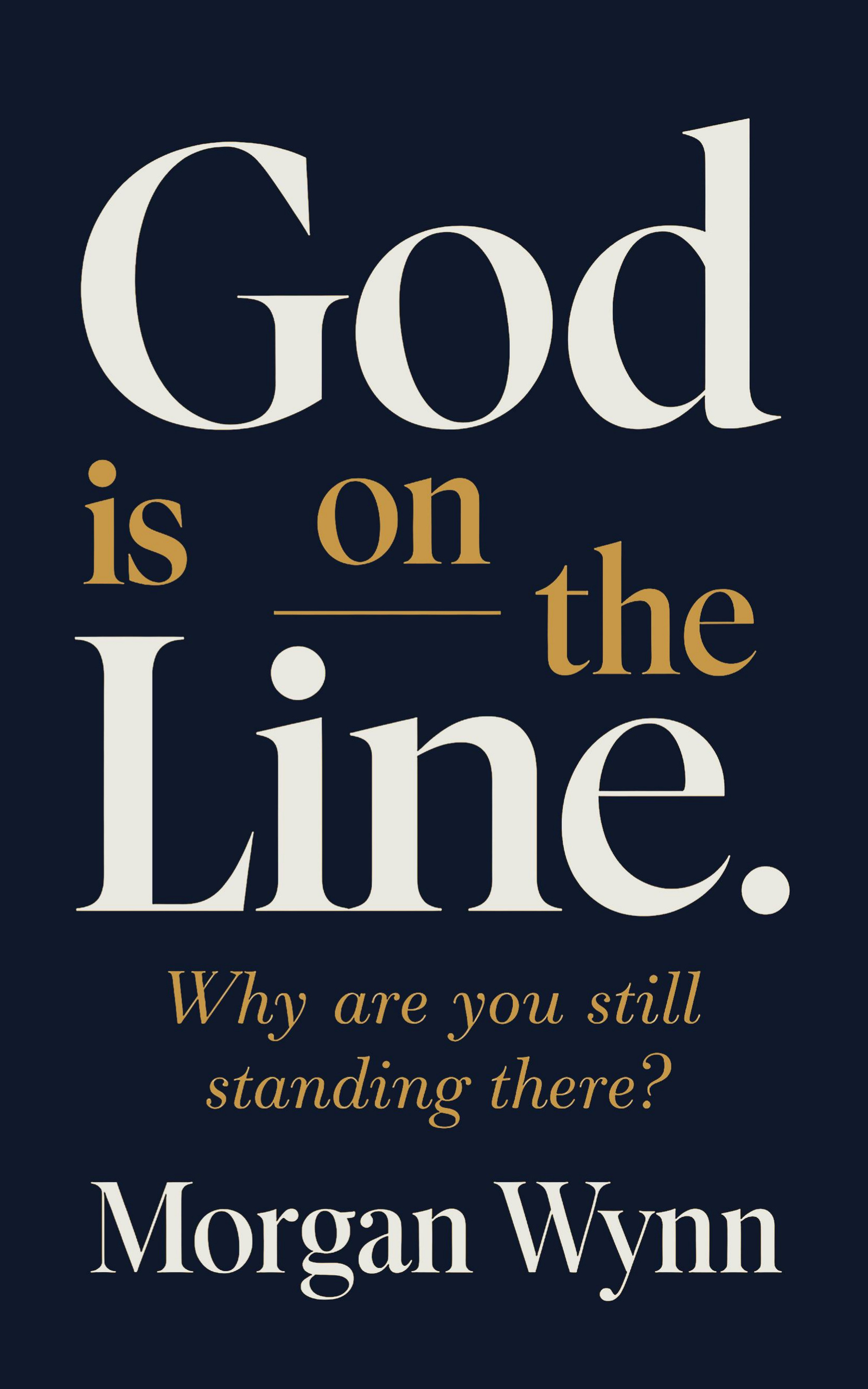
If you believe God has already made something clear and you are still waiting for another confirmation, God Is on the Line begins there. It is about the difference between patience and avoidance, why fear can sound like wisdom, and what happens when the next act of obedience is already in front of you.
About God Is on the Line →Get the book on Amazon ↗