Most people who ask how to find their calling already know what it is. It surfaces in the quiet, when the noise stops and you are no longer busy enough to avoid the question. You have a vision. Something placed in you for a reason. And the honest problem is not that you cannot hear it. It is that you have not moved.
The calling is usually already known
Maybe it is a project that has been forming in your mind for years. A person you were meant to reach. A community you were meant to serve. Something you were meant to build. Every time it returns, you delay it: the timing isn't right, you need more preparation, you need one more confirmation from God, you'll start when the finances improve, when things settle. And the years pass, quietly enough that you can live with it. Until you can't.
If that describes you, your first task is not to discover your calling. It is to stop lying to yourself about why you are standing still.
The lie of waiting
Somewhere along the way a dangerous idea took root in Christian life: that faith means waiting, that spirituality means stillness, that the more you hold back, the more you trust God. It sounds right. It isn't.
Patience is not passivity. And confusion between the two has quietly destroyed more destinies than failure ever will.God Is on the Line
James does not soften it: "faith by itself, if it does not have works, is dead" (James 2:17). Not weak, not delayed. Dead. And it dies not because people are rebelling, but because they are standing still, convinced they are being faithful. A calling ignored does not disappear. It fades. And fading is harder to see than failing, which makes it more dangerous.
Confirmation comes after obedience, not before
Consider Peter. He had fished all night and caught nothing. A carpenter tells him to let down the nets once more. Everything in his experience said no. Yet he answered, "at your word I will let down the nets" (Luke 5:5), and the catch nearly broke them. The lie of waiting whispers that obedience is best timed once circumstances confirm it. Peter's boat says the opposite: circumstances confirm obedience after the fact, never before. He did not wait until the fish were visible. He obeyed, and then the fish came.
You may have mistaken silence for a locked door
For a season you may feel that God has gone quiet, that the line has gone dead. I spent eighteen months certain of it. I prayed harder, woke earlier, read Scripture like someone scanning a document for a missing line. Nothing. And in that silence a darker thought formed: maybe He wasn't speaking because I had done something wrong. That was the lie. He had not stopped speaking. I had stopped reading where He was writing. Often the guidance you are waiting for has already been given; what is missing is not a word from God but a step from you.
The first real step
You were called to be the head and not the tail, to go up and not down (Deuteronomy 28:13), and the promise turns on one condition: not if you wait long enough, but if you obey. So name the one thing you already know you are meant to do, and take the smallest real step toward it today, not when you feel ready. The person you will be five years from now is being decided right now, in the small choice between doing the next thing and closing the tab unchanged. God has already answered. He is waiting for you to move.
Dismantle every reason you’ve built to wait
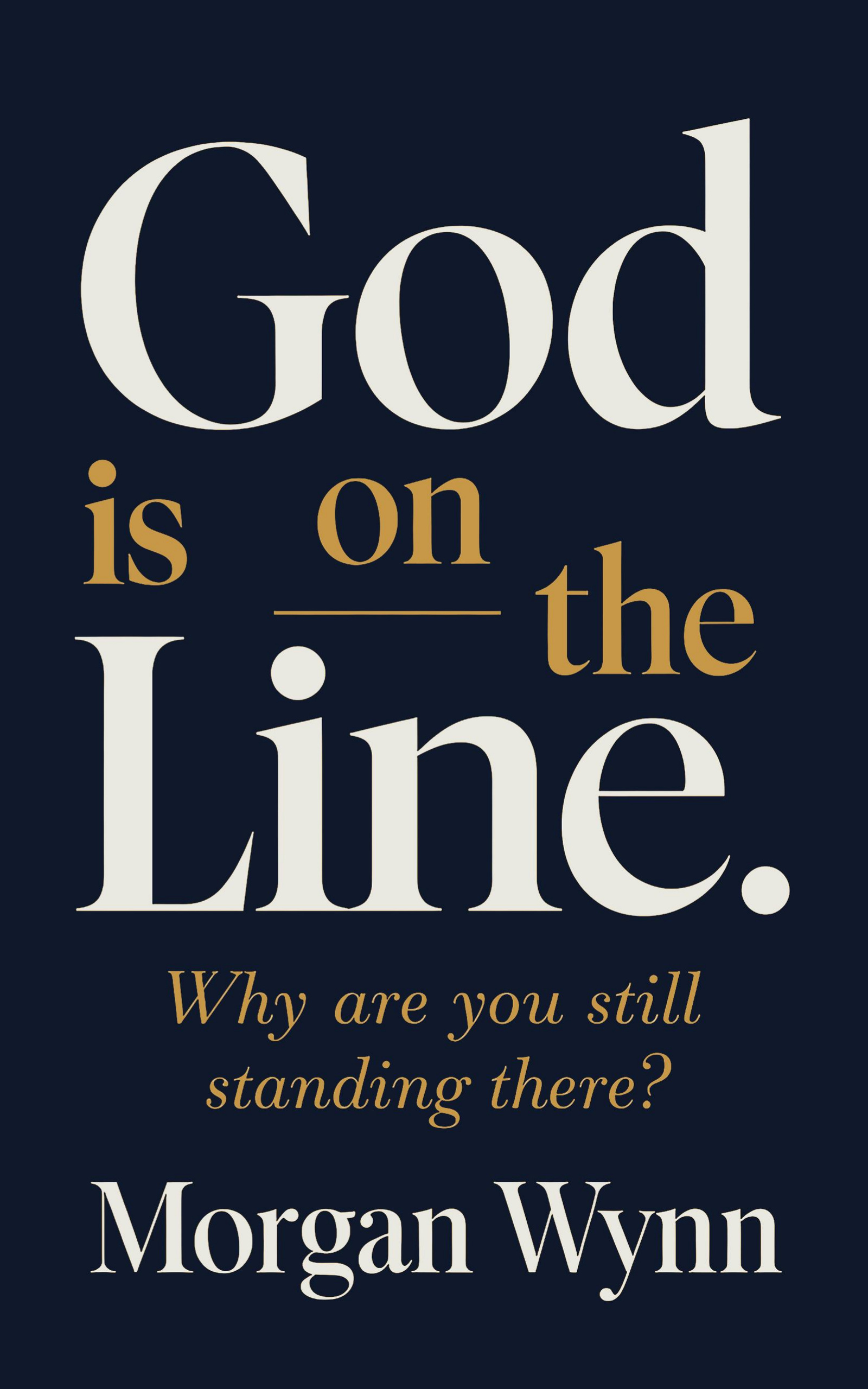
God Is on the Line takes apart, chapter by chapter, what keeps sincere believers stuck, and walks you from hearing God to actually building what He placed in you.
Read the book on Amazon